A beautiful day to be out
It was a quiet morning by the river. He felt well and went for a routine checkup.
Pancreatic cancer may cause few symptoms early. PANCREASaver® analyzes abdominal CT and flags suspicious findings for radiologist review; treatment decisions depend on the complete clinical picture.
An AI-assisted medical device that analyzes contrast-enhanced abdominal CT and flags suspicious pancreatic findings for radiologist review. FDA Breakthrough Device Designation; Taiwan TFDA medical device license.
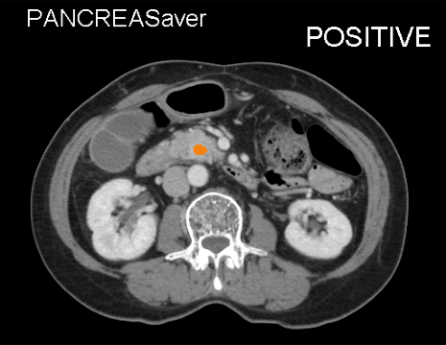
Real CT · PANCREASaver® AI overlay — sub-2 cm lesion auto-marked
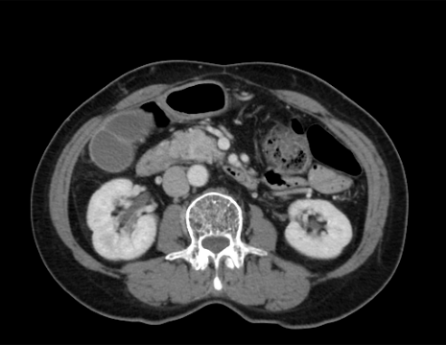
The same scan, without AI
Analysis starts after the scan completes and returns findings for radiologist review within the existing workflow.
The cited study reported 92.1% sensitivity for tumors under 2 cm; a nationwide, multicenter study reported an AUC of 0.95.
DICOM-native and vendor-neutral; implementation is designed around your existing PACS/RIS environment.
Vendor-neutral and DICOM-native; PANCREASaver® is designed to fit your existing PACS/RIS workflow, with implementation timing set with each institution.
Six themes covering the full picture of PANCREASaver® — swipe to explore.
An automated end-to-end system that analyzes CT scans, flags suspicious findings, and integrates with hospital PACS/RIS.
Learn more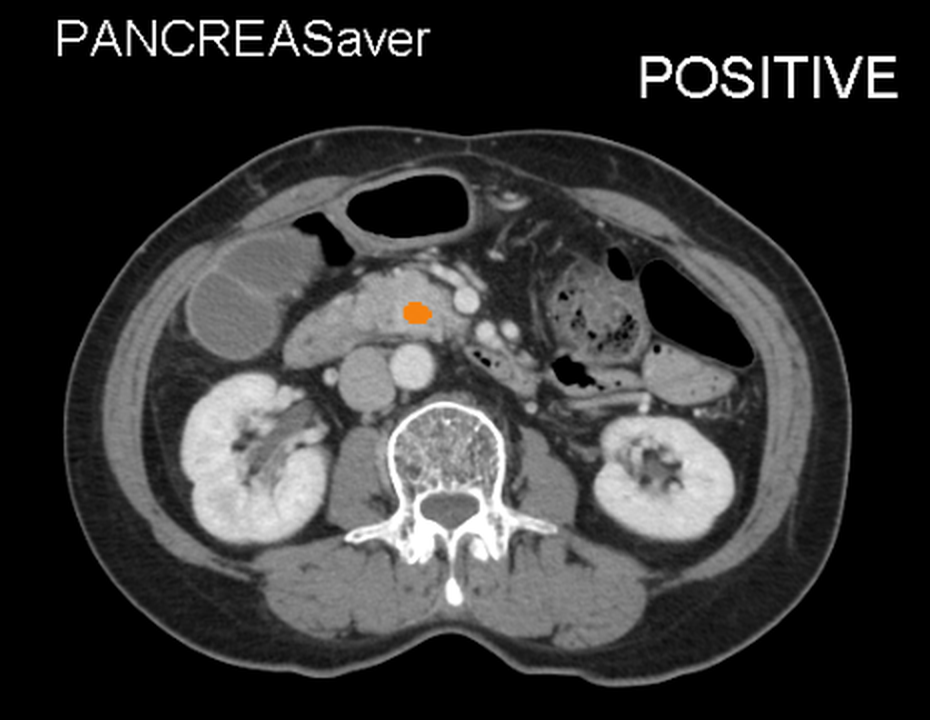
89.7% sensitivity, 92.8% specificity; 92.1% sensitivity for tumors under 2 cm — published in Radiology and The Lancet Digital Health.
View clinical data
Real papers in The Lancet Digital Health, Radiology, BMC Cancer, and other journals — with summaries and PubMed links to the original articles.
Visit the publication hall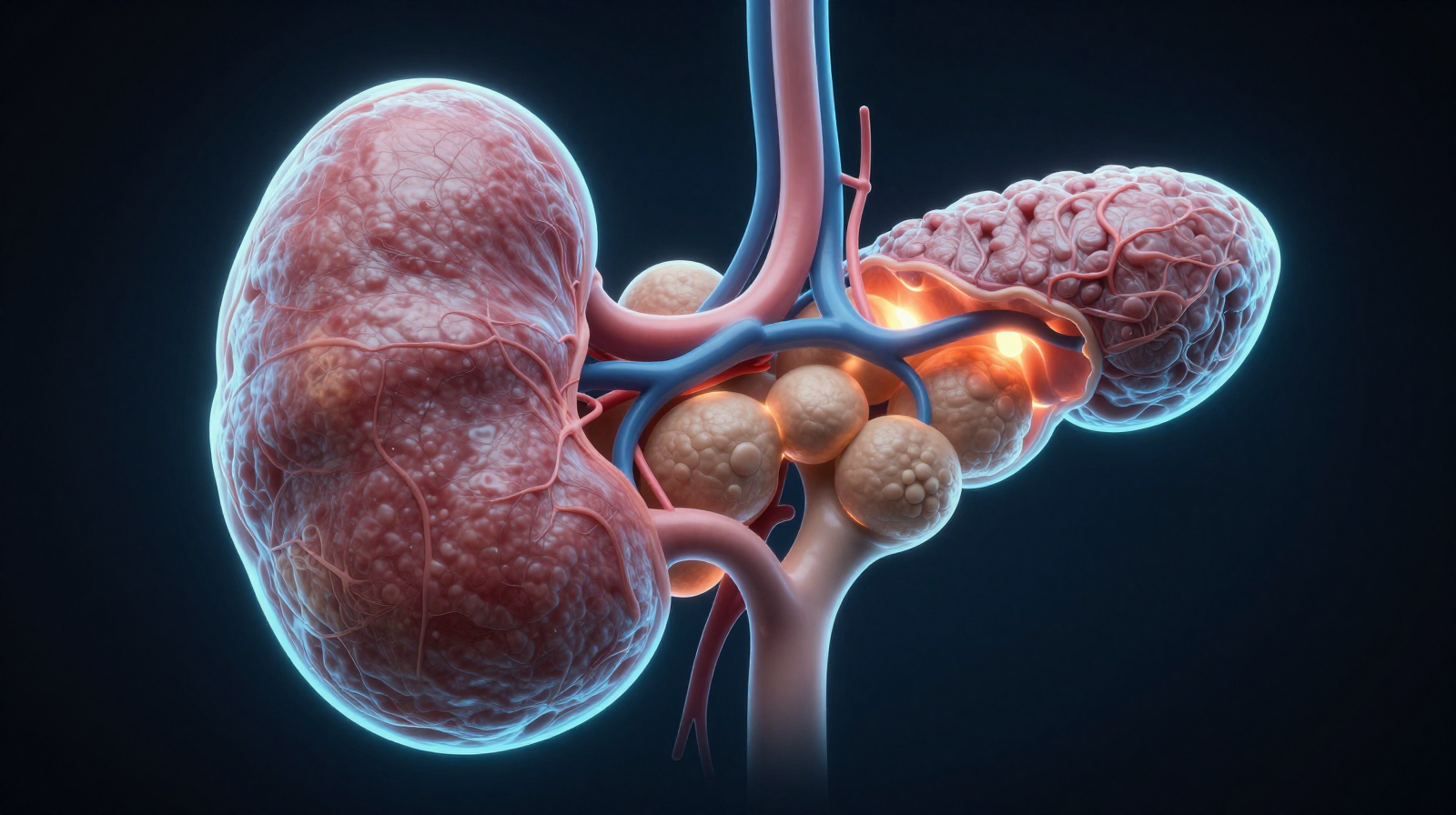
System-level and method-level claims cover medical imaging analysis and machine-learning-based pancreatic cancer detection; see the official patent records for scope.
View IP portfolio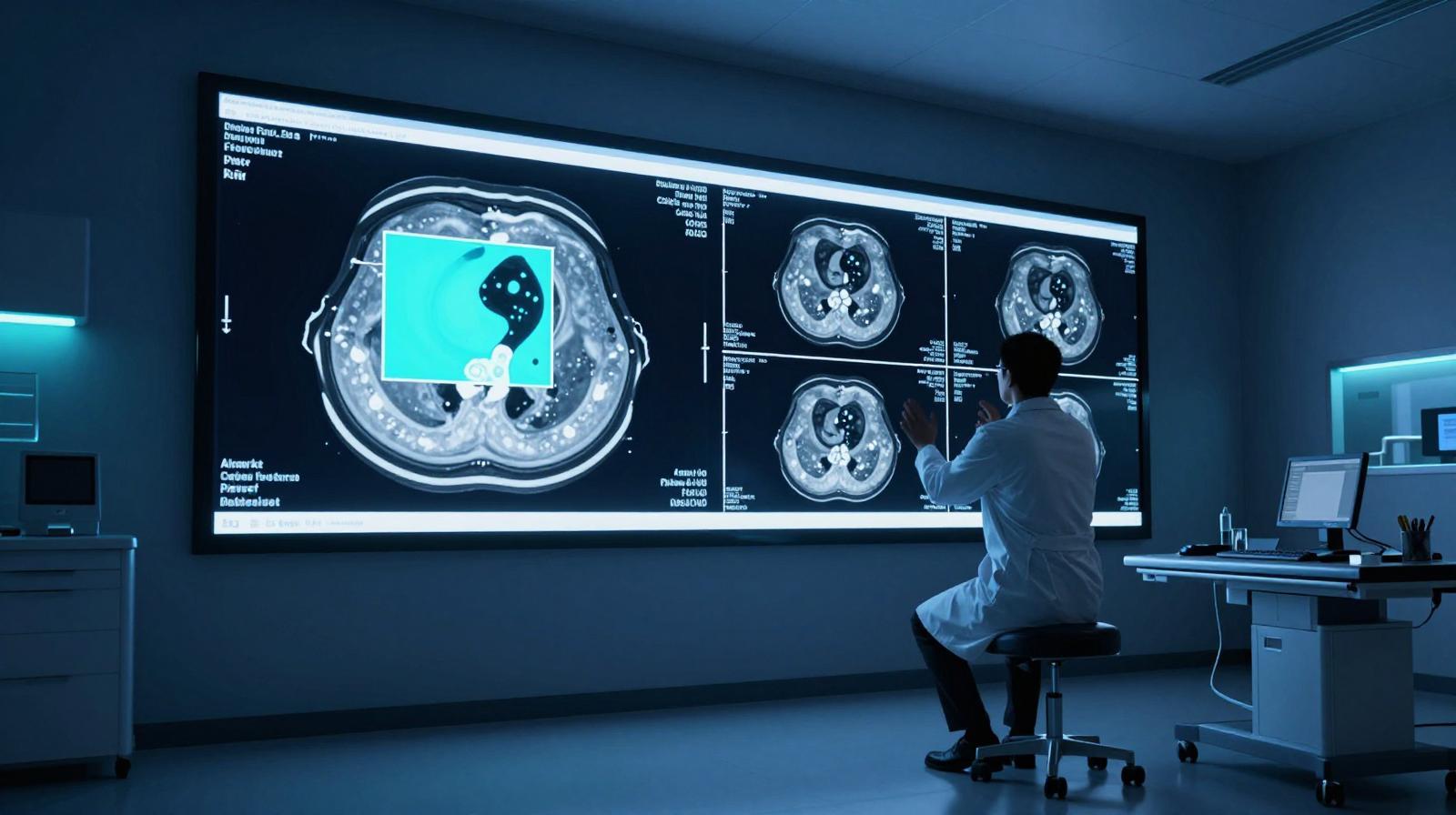
Taiwan TFDA medical device license No. 007946; FDA Breakthrough Device Designation; FDA Pending; not yet cleared for U.S. marketing.
See certification journey
Medical centers, regional hospitals, and health centers — cumulative use in more than 5,500 patient cases across research and commercial applications. Deployment and update options depend on the institution.
View deployment plansTumor stage and other clinical factors help guide treatment planning. PANCREASaver® is designed to support review of suspicious findings on abdominal CT.
Figures as published in peer-reviewed literature and PanCAD.ai’s clinical validation. See the evidence center for sources.
Every claim on this website is backed by an issuing authority, a publication, or a verifiable record.

Three audiences, three journeys. PANCREASaver® provides information and workflow support from screening through follow-up.
Learn how pancreatic CT review works, what an AI flag means, and what questions to discuss with your clinician.
Enter Patient JourneyThe interactive evidence hall: AUC 0.95, 92.1% sensitivity, documented regulatory status, and the integration workflow.
See EvidenceAdd an AI-assisted pancreatic CT review option to eligible programs, with workflow integration and radiology collaboration.
Explore ScreeningOne morning, one checkup, one flagged finding — and a family making informed next steps.
It was a quiet morning by the river. He felt well and went for a routine checkup.
A routine abdominal CT produced a flagged finding for radiologist review.
The finding prompted timely follow-up. The family sat together, planning the next conversation with the care team.
Scroll through five stations that explain how patients and physicians may use information along the care journey.
Early pancreatic cancer may cause few or nonspecific symptoms. Screening and imaging decisions should follow clinician guidance and applicable protocols.
After an abdominal CT, AI flags a finding for radiologist review. Published study results include 92.1% sensitivity for tumors under 2 cm; outcomes vary by patient and disease stage.
AI findings go to radiologists for review, and specialists confirm the diagnosis. AI does not replace physicians; it adds information for clinical review.
A 1 cm tumor and metastatic disease can lead to different treatment paths. Options depend on disease stage and individual factors.
After treatment comes regular follow-up. Patients and families can work with their care team on appropriate monitoring and support.
Prof. Wang’s team launches early pancreatic cancer imaging AI research with Prof. Liao’s clinical team at NTU Hospital.
Nationwide multicenter validation begins, building the dataset behind the AUC 0.95 national performance.
PANCREASaver® wins the RSNA Margulis Award — the first for Taiwan — and receives U.S. FDA Breakthrough Device Designation.
Licensed by Taiwan’s TFDA (衛部醫器製字第007946號); PANCREASaver® is not yet cleared for U.S. marketing.
As of October 13, 2026, PanCAD.ai reports that PANCREASaver® has been used in more than 5,500 patient cases across research and commercial applications.
Storm Media’s AI Healthcare Innovation Awards recognized PANCREASaver® among applications focused on healthcare innovation and earlier pancreatic cancer review.
Director Kai-Chun Yang and Dr. Wei-Chih Liao discuss how PANCREASaver® enters clinical practice while fitting existing physician workflows.
At Asian Pacific Digestive Week, the team presented real-world data from more than 2,000 CT studies analyzed in clinical practice.
These answers summarize published evidence and current product scope. They are for education; discuss personal decisions with a clinician.
Early pancreatic cancer may cause few or nonspecific symptoms, and small lesions can be difficult to detect on abdominal CT. Screening and imaging decisions should follow clinician guidance.
A CNN + radiomics dual-engine analyzes contrast-enhanced abdominal CT images and presents suspicious findings for radiologist review; PACS/RIS alerts depend on the institution’s integration setup.
No. The system analyzes existing abdominal CT images. Whether a scan is appropriate should be discussed with your physician.
No. An AI flag identifies a finding for closer review; the physician makes the diagnosis using the complete imaging and clinical information.
Five-year relative survival is about 13% overall and about 44% for localized disease (American Cancer Society and NCI SEER data). Earlier detection can expand treatment options; individual outcomes vary.
People with a family history or a known hereditary syndrome should discuss risk assessment with a specialist. Age, smoking, or diabetes alone does not mean routine pancreatic cancer screening is appropriate; asymptomatic average-risk adults should not undergo routine screening.
PANCREASaver is used in medical institutions and health checkup centers in Taiwan; see the For Health Systems page for current public information.
Source: USPSTF pancreatic cancer screening recommendation. Product information and study summaries are available on the Clinical Evidence page.
The day the report came, the doctor said: “Let’s review what we found and discuss the next steps.”
For yourself, your family, or your patients — start with an informed conversation about abdominal CT.
Contact us